Funda Thumbnail System
Built a scalable thumbnail system to support rapid content growth
Funda Thumbnail System
Built a scalable thumbnail system to support rapid content growth
For
Funda
Role
Lead Product Designer
Timeframe
May 2025 - March 2026
Tool Used
Chat GPT, Magnific
Funda Thumbnail System
Built a scalable thumbnail system to support rapid content growth
For
Funda
Role
Lead Product Designer
Timeframe
May 2025 - March 2026
Tool Used
Chat GPT, Magnific
PROJECT
Overview
Overview
Overview
Funda launched in June 2025 with a simple but aggressive goal — reach ₹1 Cr revenue by December.The strategy was clear:scale content, increase reach, and drive engagement.So we pushed hard on video production.What we didn’t anticipate was where things would break.
Funda launched in June 2025 with a simple but aggressive goal — reach ₹1 Cr revenue by December. The strategy was clear: scale content, increase reach, and drive engagement. So we pushed hard on video production. What we didn’t anticipate was where things would break.
Funda launched in June 2025 with a simple but aggressive goal — reach ₹1 Cr revenue by December.The strategy was clear:scale content, increase reach, and drive engagement.So we pushed hard on video production.What we didn’t anticipate was where things would break.
Approach
Approach
At first, this looked like a design capacity issue.
But it wasn’t.
It was a systems problem.
We don’t need better designers.
We need a system that designs
Instead of scaling people, I focused on building a system that could:
Generate thumbnails at scale
Maintain visual quality
Adapt to different content types
Problem
Statement
Problem
Statement
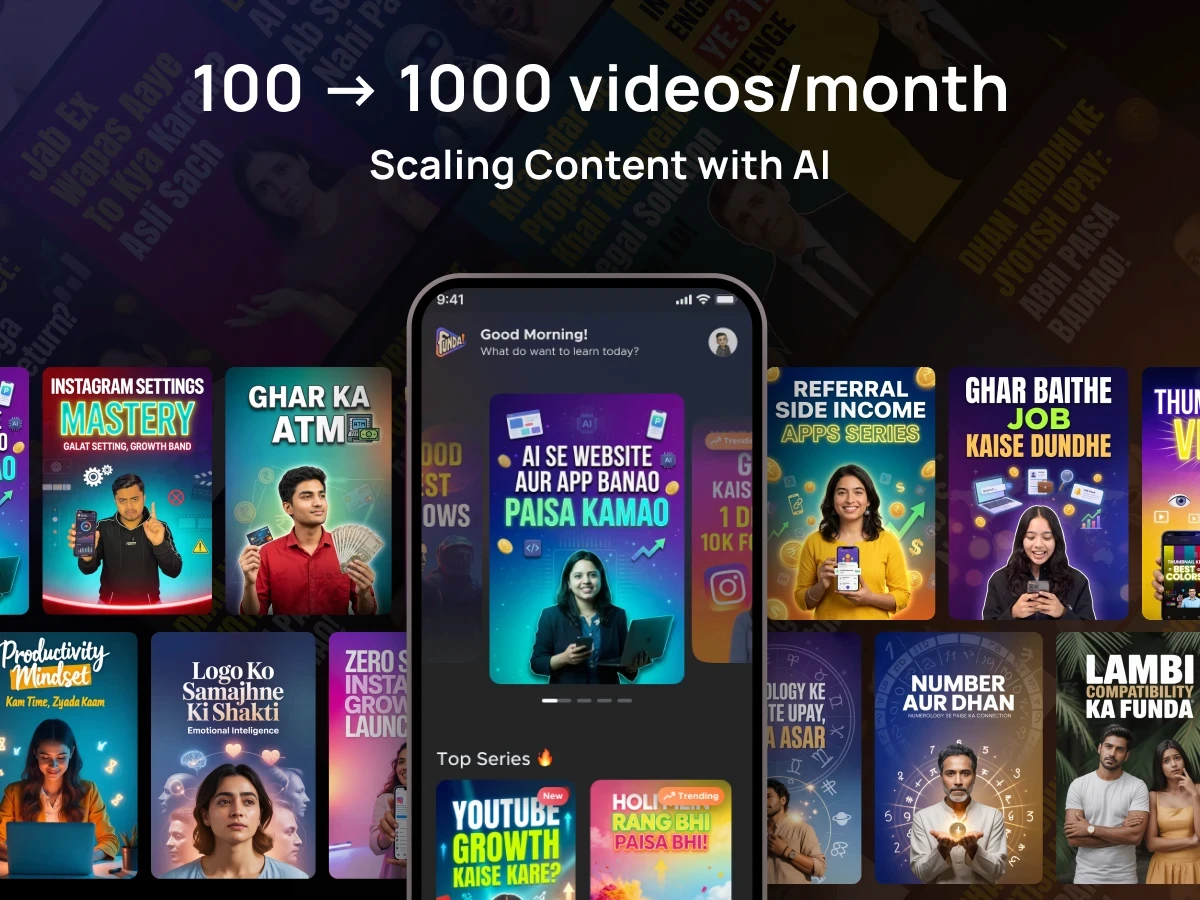
Video production scaled from 100 to 1000 videos/month in a few months.
But the team didn’t.
We still had:
A few video editors
And just one designer
Every video needed a thumbnail.
And in short-form content, thumbnails aren’t optional.
They decide whether the video gets clicked or ignored.
“We weren’t struggling to create content.
We were struggling to make it clickable.”
Challenges
Challenges
Thumbnails directly influence CTR → growth → revenue
Manual design couldn’t scale at required speed.
How might we create high-quality, high-performing thumbnails at massive scale without increasing team size?
Thumbnails directly influence CTR → growth → revenue
Manual design couldn’t scale at required speed.
How might we create high-quality, high-performing thumbnails at massive scale without increasing team size?
DESIGN
PROCESS
Process
Process
followed
followed
This was not a traditional UX problem.
It was a scaling challenge, solved through system evolution rather than linear design steps.
Building the System
Phase 1 — Making AI usable
When GPT’s image model launched, it solved a key problem:
it could finally render usable text.
That made it viable for thumbnails.
I started experimenting with:
Composition rules
Layout structures
Reference-based prompting
How it started.
First it was about training GPT about the composition so i feed it a wireframe and gave a reference banner and started with a prompt describing the composition.
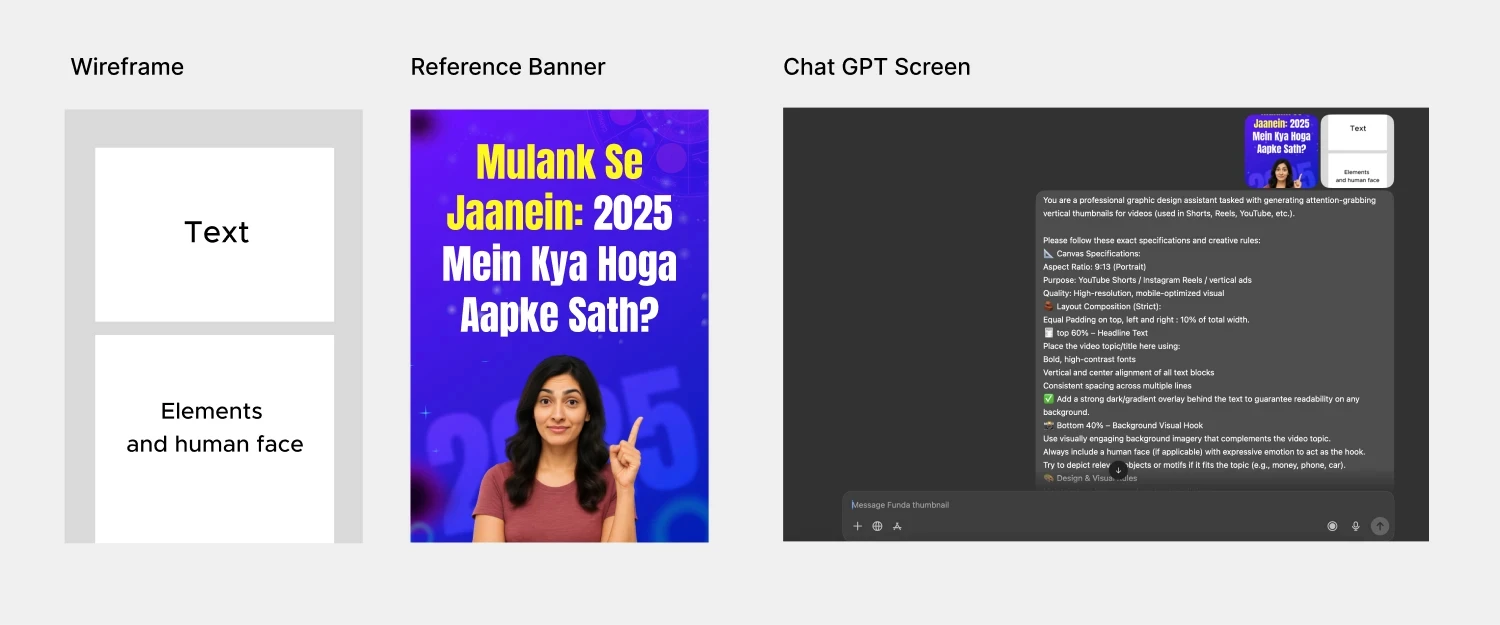
Initial Outputs
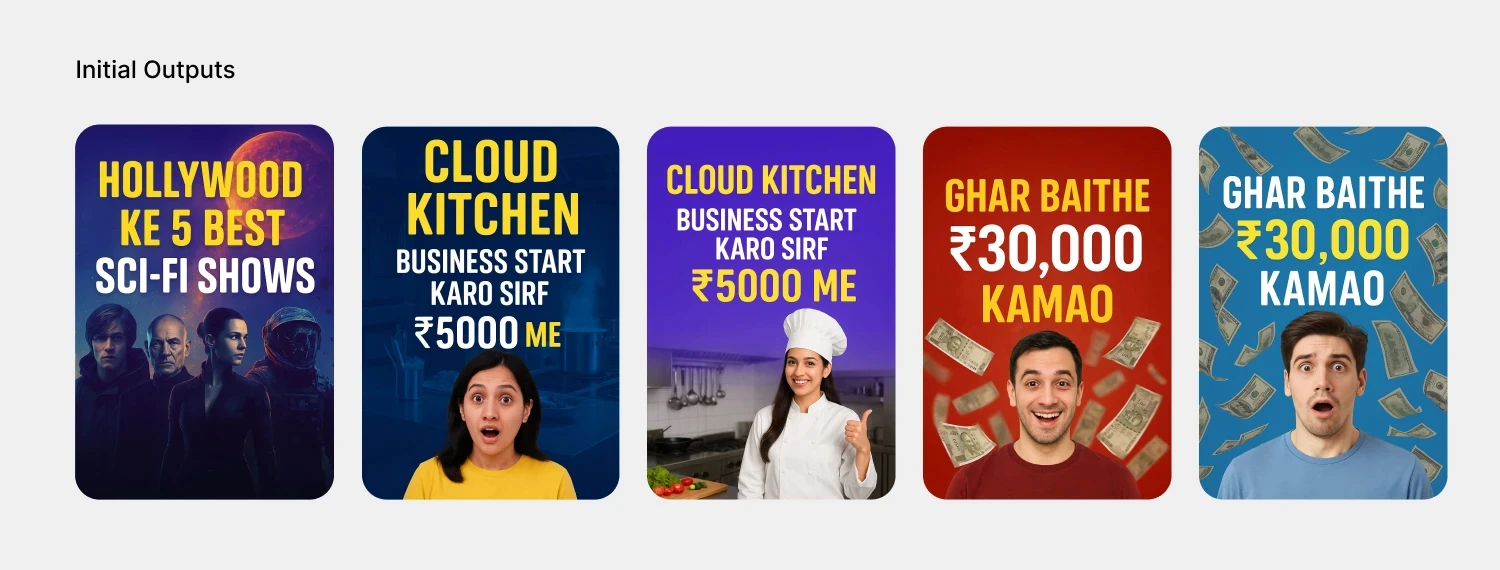
After multiple iterations, outputs stabilized.
This led to creating a master prompt system.
Impact:
~30 thumbnails/day
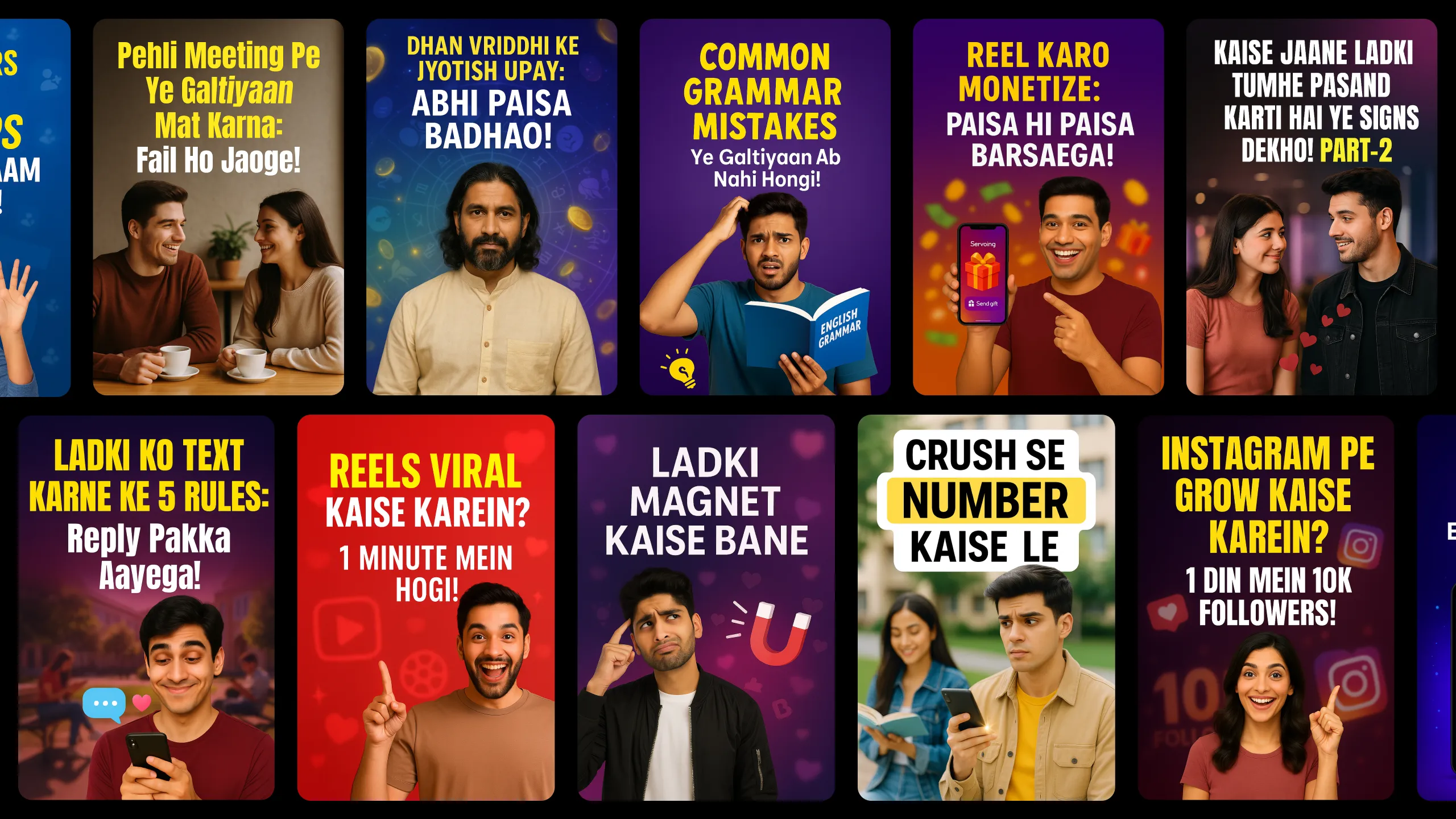
Phase 2 — Improving quality
GPT helped with structure, but not polish.
So we split the workflow:
GPT → generates structured prompts
Ideogram → generates final visual
This improved:
Typography
Composition
Consistency
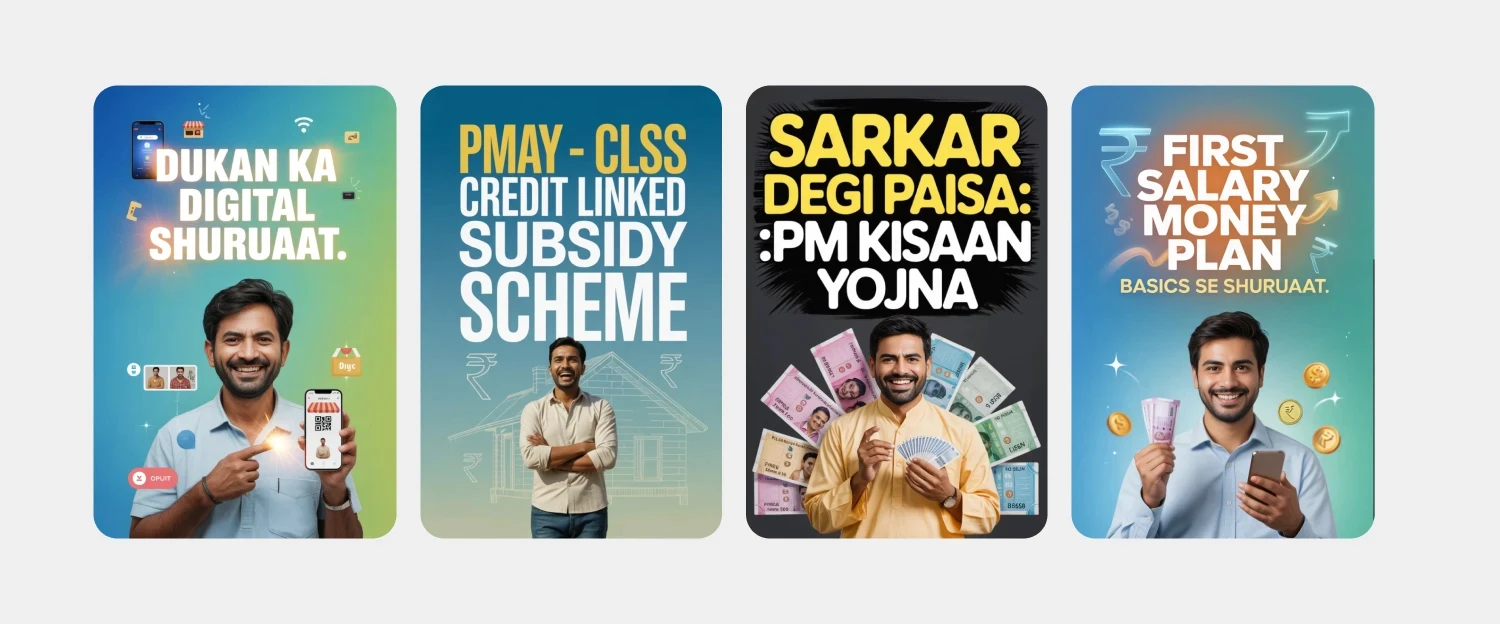
We Finalised Typography based thumbnails for Videos thumbnail and Series thumbnail follows same Image plus text thumbnail for speed.
We tried generating bulk thumbnail using GPT but result was not that good.
So we decided to use ideogram for video thumbnails as well.
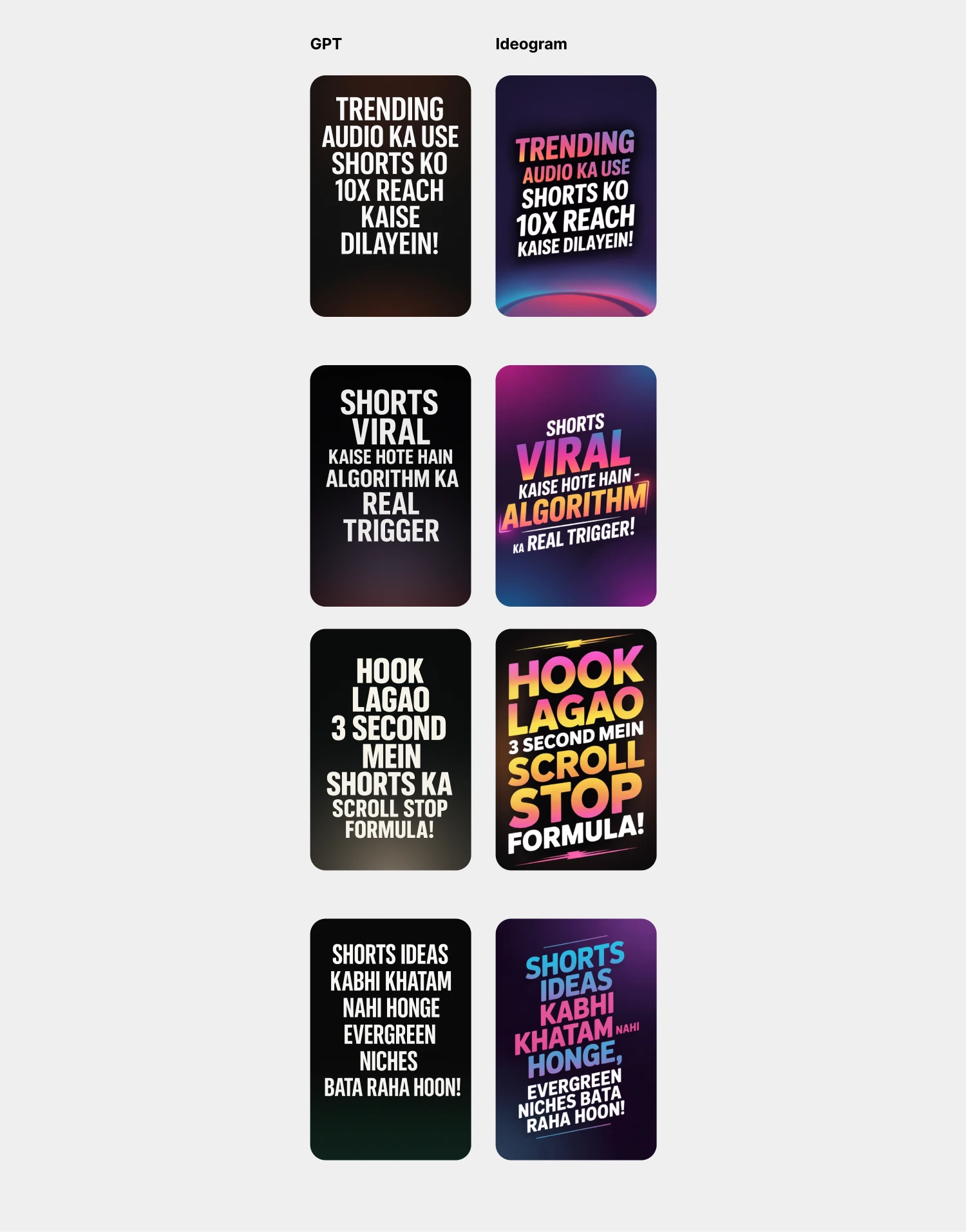
Result:
~2x production speed with better output quality
Phase 3 — Making it relatable
Initially, thumbnails used generic AI characters.
But they lacked connection.
We shifted to real influencer faces.
Initially as AI was not able to use real influencer images , so banner was made manually. As the scale was high, the quality was not possible within the time constraints.
Another Challenge was that we didn't get influencer photo shoots just the raw videos as it was freelance based.
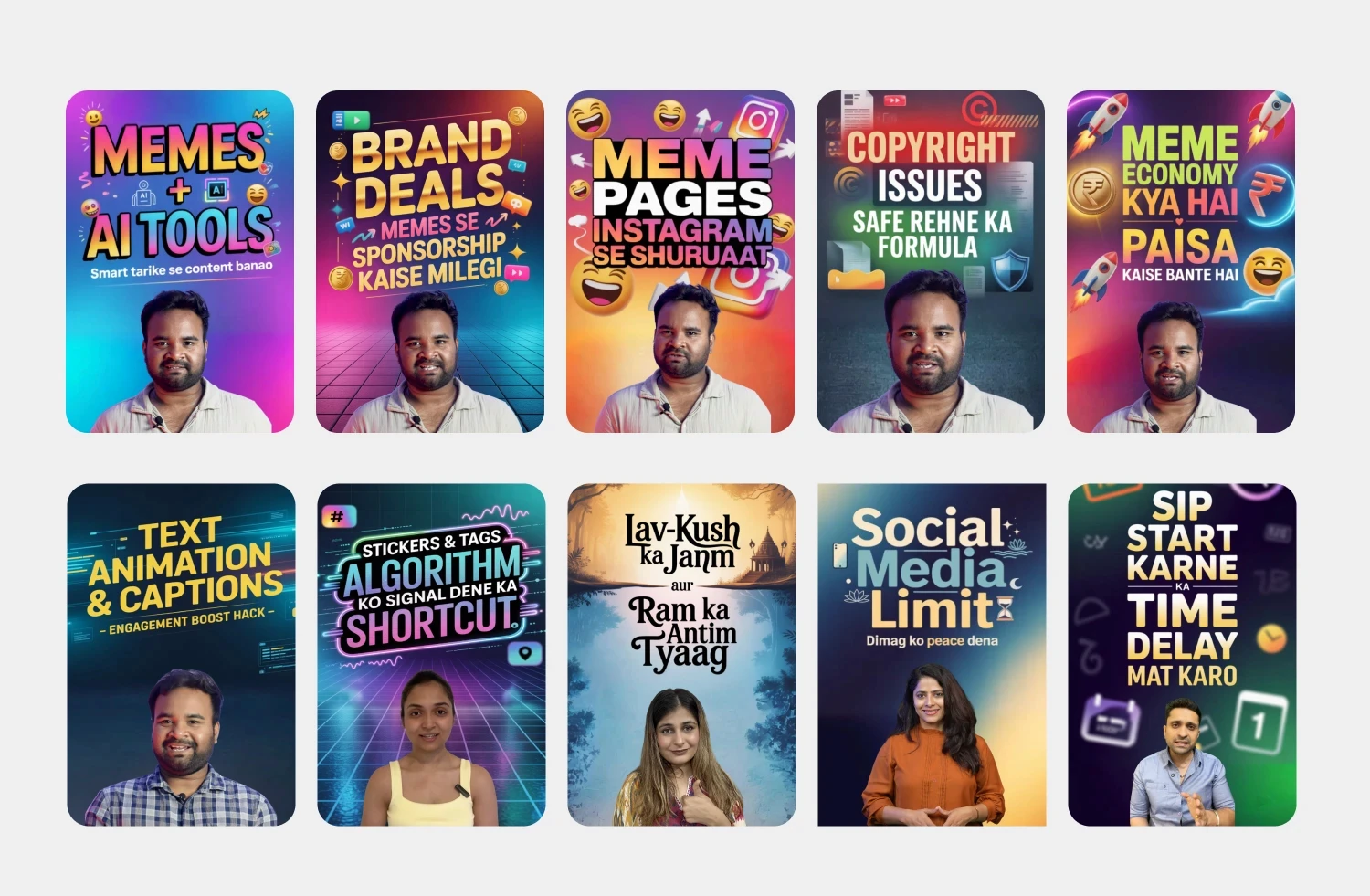
Challenge :
Manual Designing → Low speed, low quality and limited influencer poses.
AI distorted faces → broke trust
Solution:
Initially : Using Nano Banana for realistic face generation
We were using influencer photos in reference to generate thumbnails with influencer
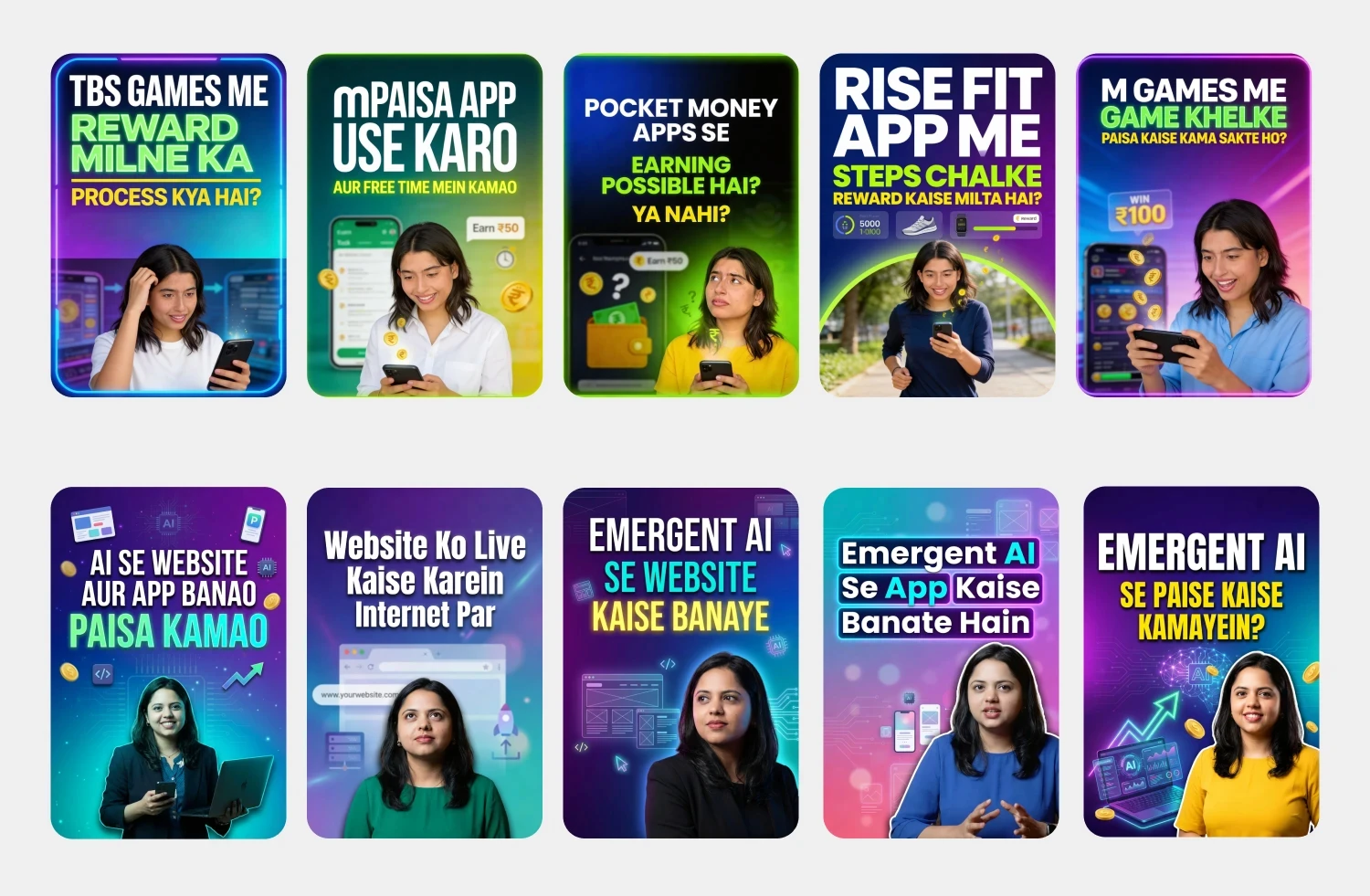
This made thumbnails:
More recognizable
More engaging
More trustworthy
Phase 4 — Fixing quality at scale
By December, we had volume — but inconsistency.
So we revamped:
Older thumbnails
Visual patterns
Design quality
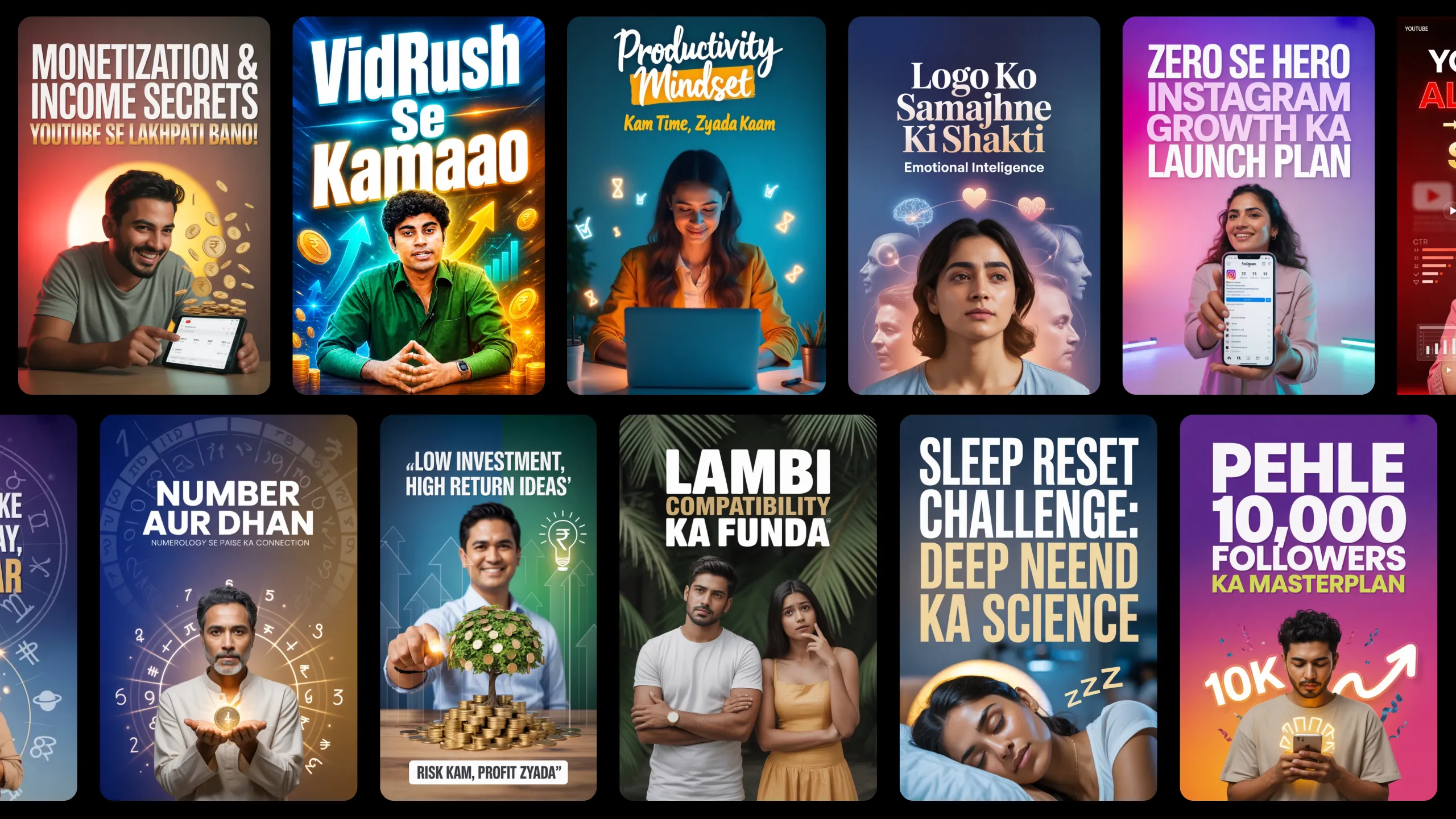
Result
~2000 high-quality videos
₹90L revenue by Dec 2025
Phase 5 — Turning it into a system
At this point, this was no longer experimentation.
It became a structured pipeline.
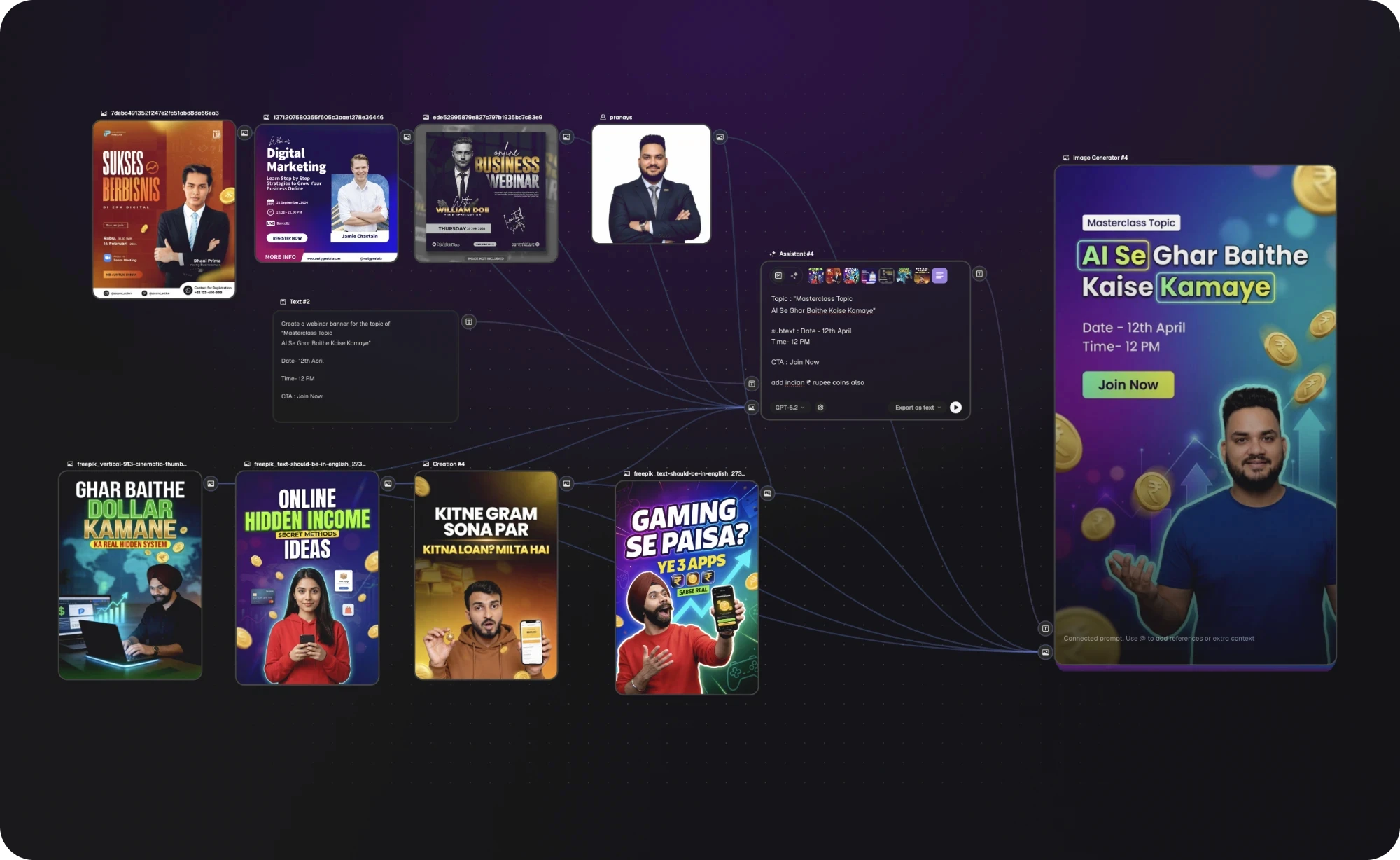
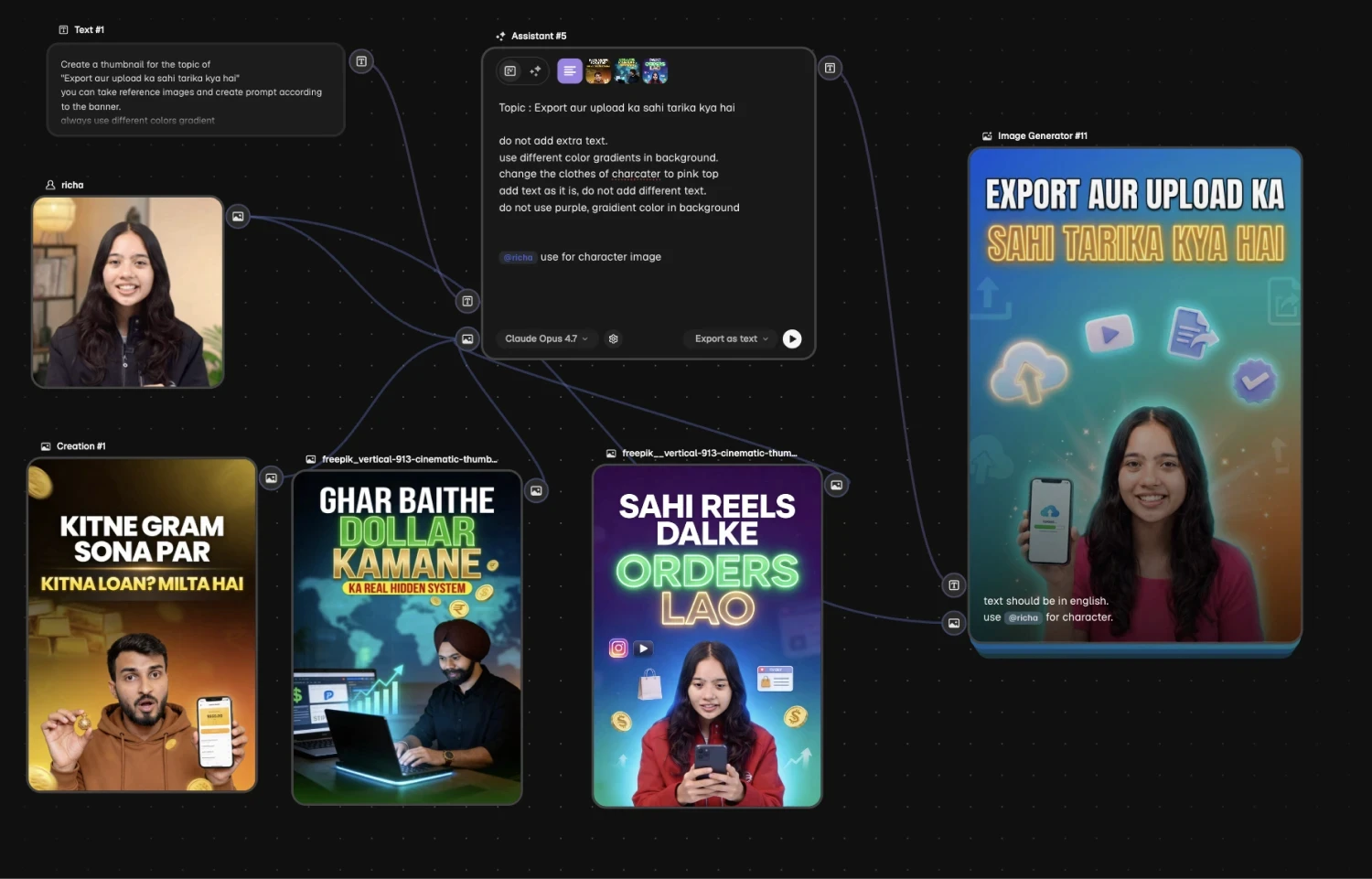
We built:
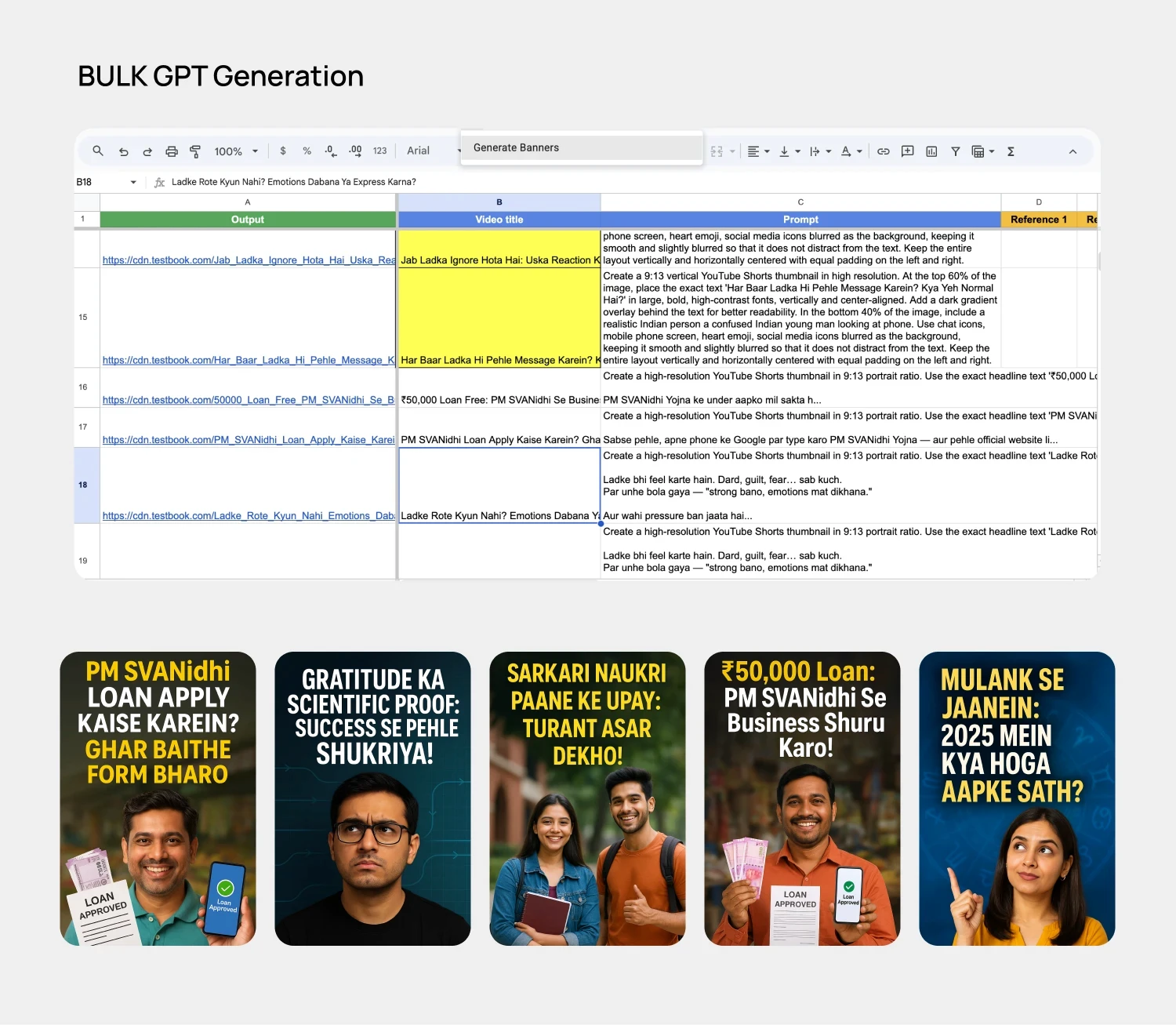
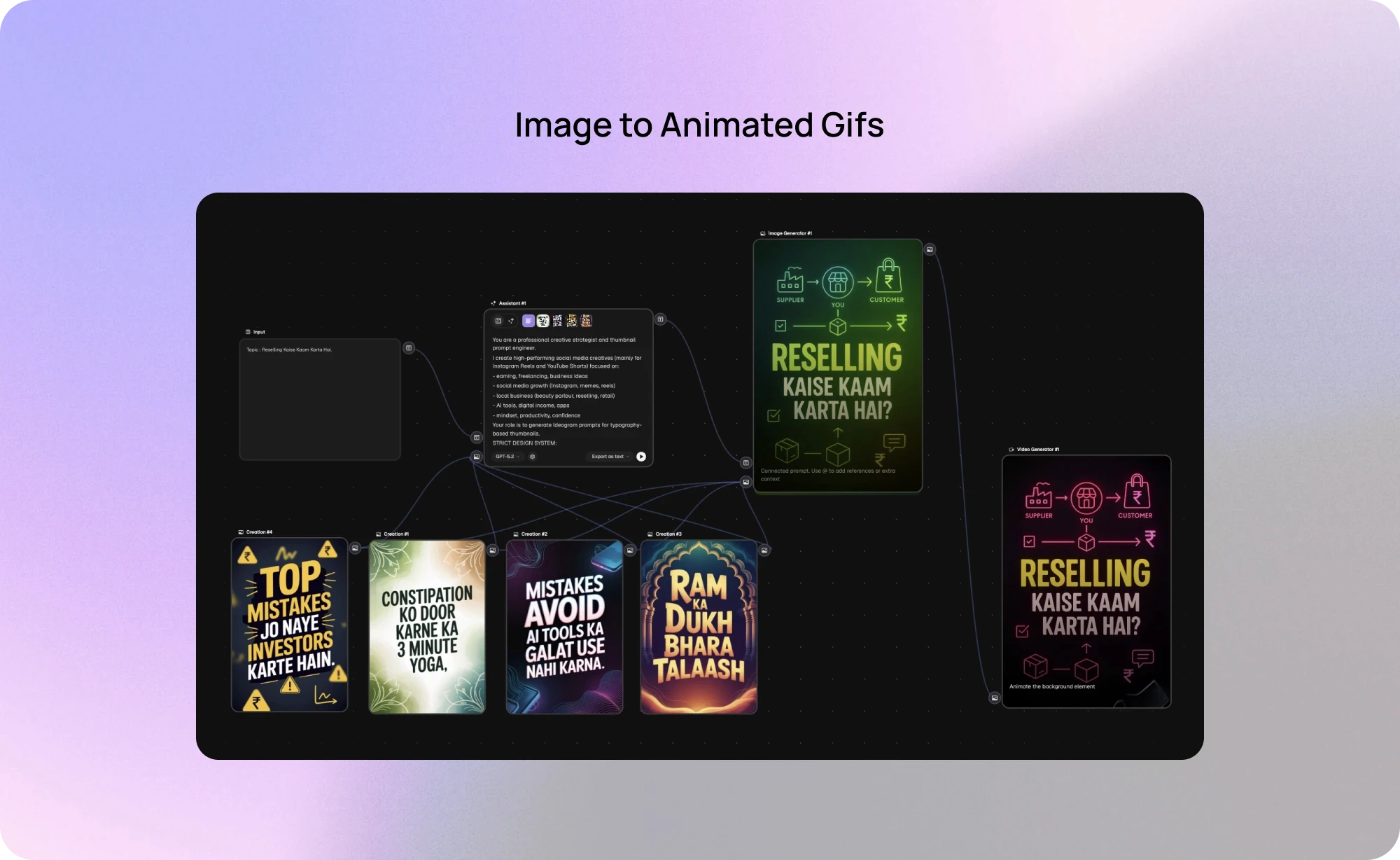
A controlled workflow using Freepik Spaces
Bulk generation via ChatGPT + App Script
This was not a traditional UX problem.
It was a scaling challenge, solved through system evolution rather than linear design steps.
Building the System
Phase 1 — Making AI usable
When GPT’s image model launched, it solved a key problem:
it could finally render usable text.
That made it viable for thumbnails.
I started experimenting with:
Composition rules
Layout structures
Reference-based prompting
How it started.
First it was about training GPT about the composition so i feed it a wireframe and gave a reference banner and started with a prompt describing the composition.
Initial Outputs
After multiple iterations, outputs stabilized.
This led to creating a master prompt system.
Impact:
~30 thumbnails/day
Phase 2 — Improving quality
GPT helped with structure, but not polish.
So we split the workflow:
GPT → generates structured prompts
Ideogram → generates final visual
This improved:
Typography
Composition
Consistency
We Finalised Typography based thumbnails for Videos thumbnail and Series thumbnail follows same Image plus text thumbnail for speed.
We tried generating bulk thumbnail using GPT but result was not that good.
So we decided to use ideogram for video thumbnails as well.
Result:
~2x production speed with better output quality
Phase 3 — Making it relatable
Initially, thumbnails used generic AI characters.
But they lacked connection.
We shifted to real influencer faces.
Initially as AI was not able to use real influencer images , so banner was made manually. As the scale was high, the quality was not possible within the time constraints.
Another Challenge was that we didn't get influencer photo shoots just the raw videos as it was freelance based.
Challenge :
Manual Designing → Low speed, low quality and limited influencer poses.
AI distorted faces → broke trust
Solution:
Initially : Using Nano Banana for realistic face generation
We were using influencer photos in reference to generate thumbnails with influencer
This made thumbnails:
More recognizable
More engaging
More trustworthy
Phase 4 — Fixing quality at scale
By December, we had volume — but inconsistency.
So we revamped:
Older thumbnails
Visual patterns
Design quality
Result
~2000 high-quality videos
₹90L revenue by Dec 2025
Phase 5 — Turning it into a system
At this point, this was no longer experimentation.
It became a structured pipeline.
We built:
A controlled workflow using Freepik Spaces
Bulk generation via ChatGPT + App Script
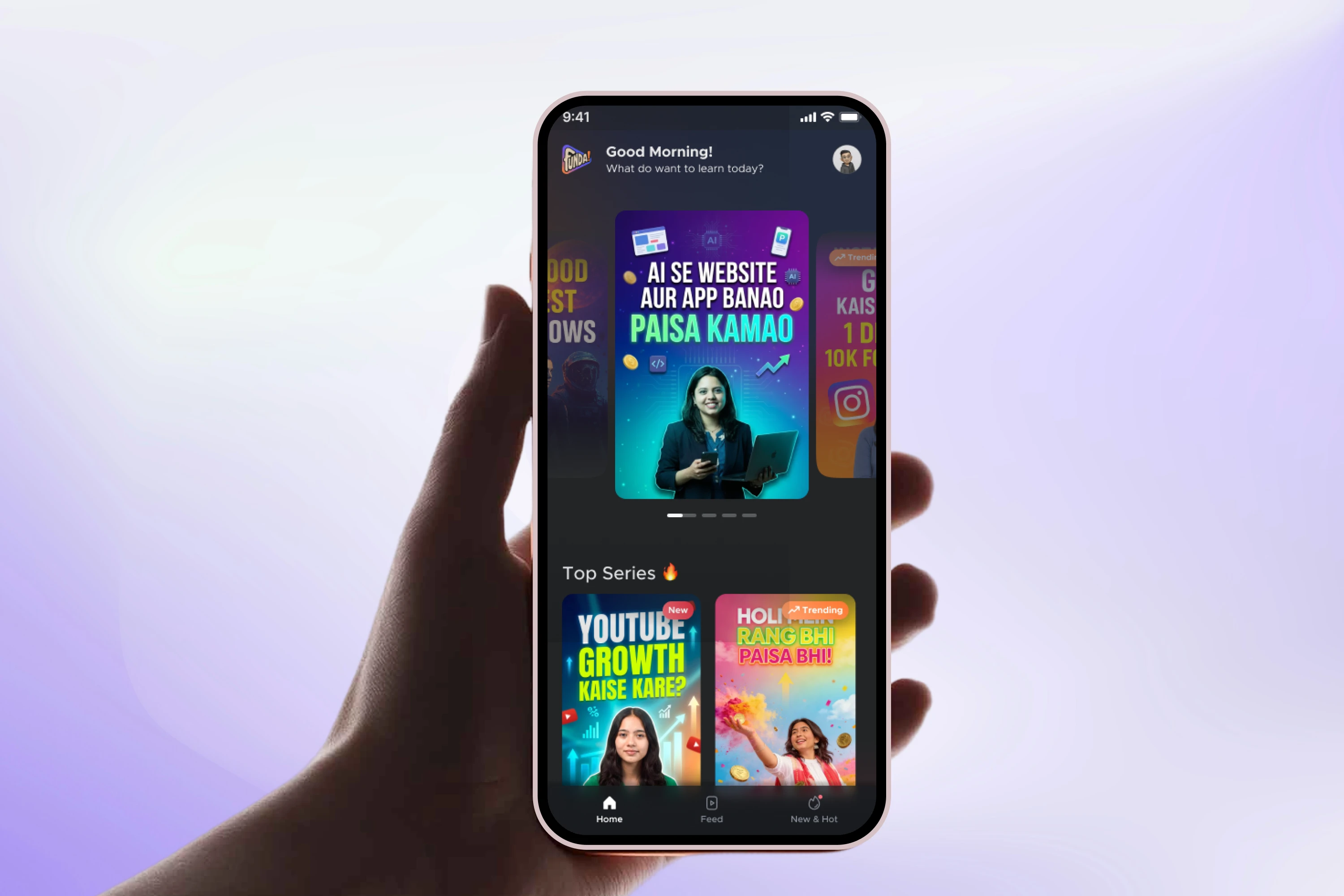
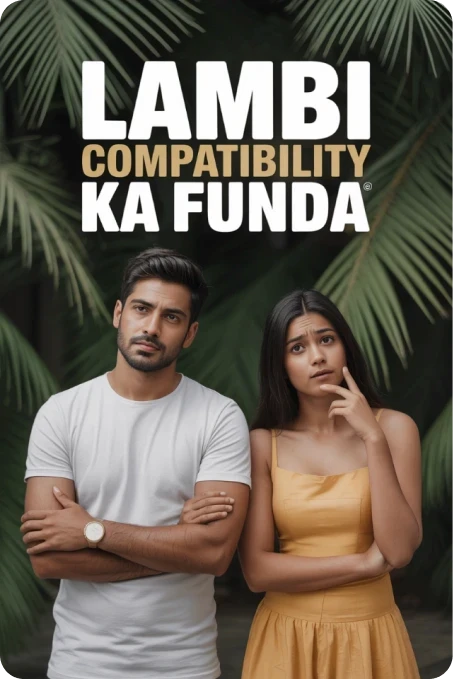
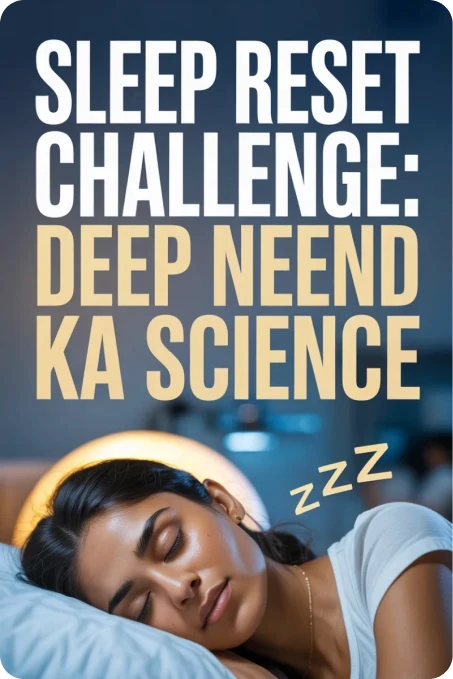
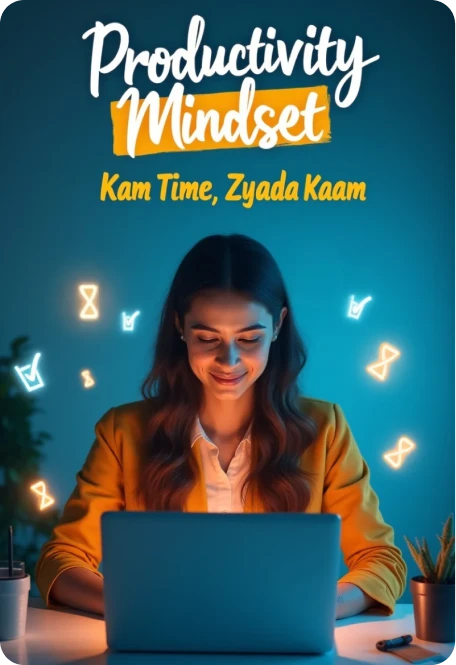
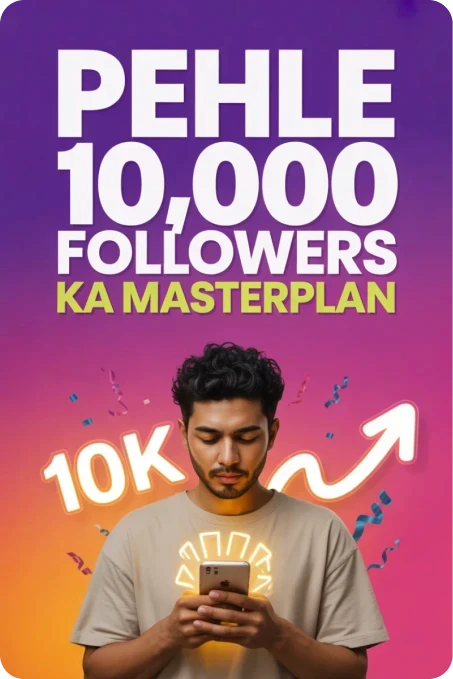
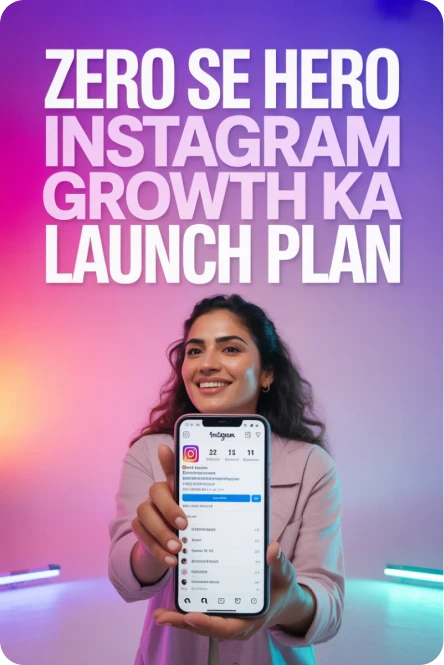
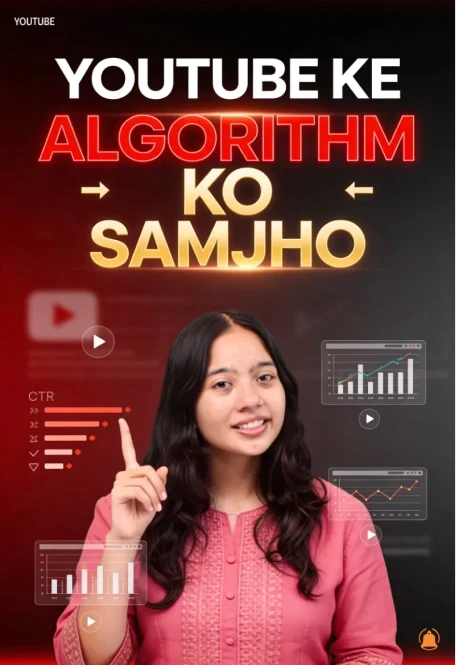
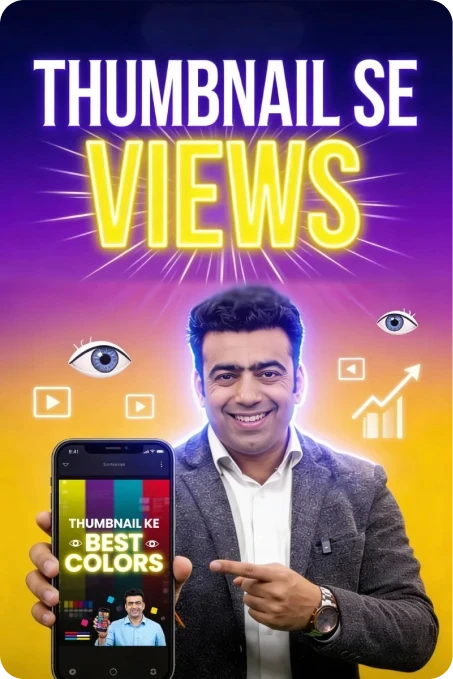
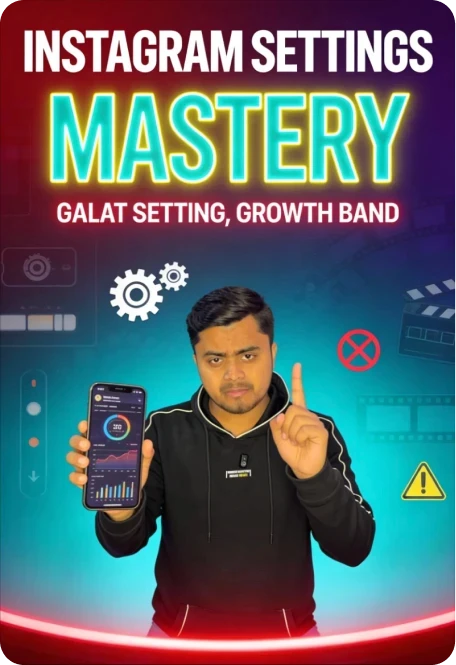
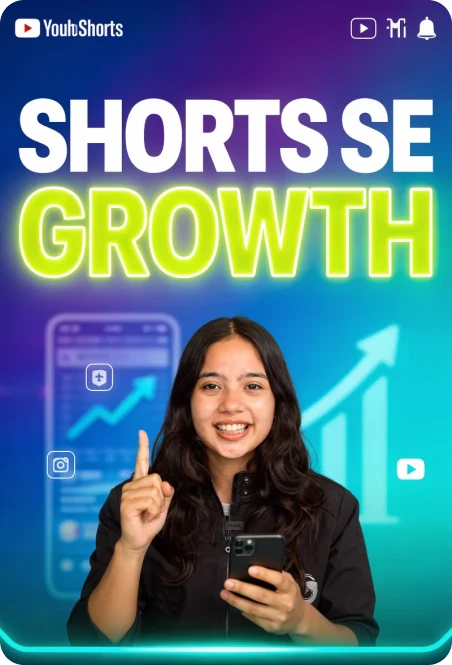
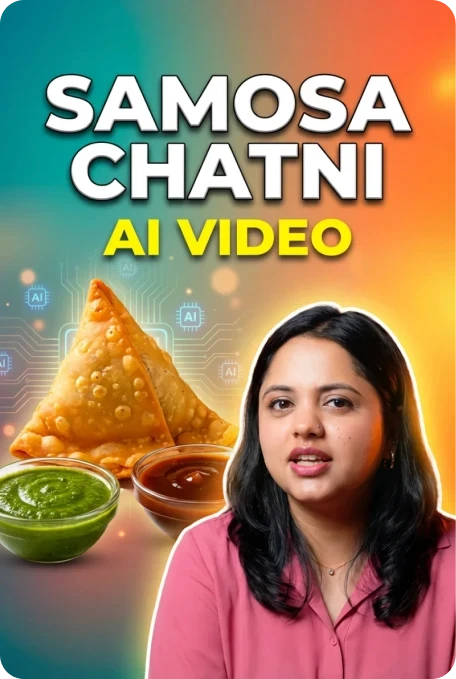
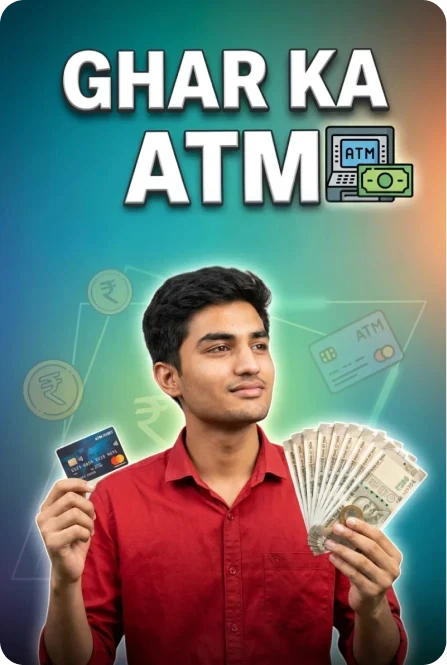
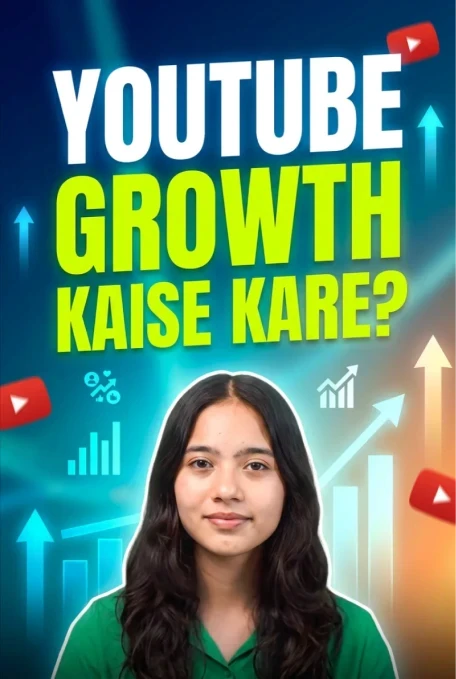
FINAL
Designs













IMPACT &
Outcome
Impact
Impact
Created
Created
This changed how content scaled.
Scale
100 → 1000 videos/month
~10x growth without increasing team size
Production
Manual → semi-automated system
Hundreds of creatives generated weekly
Quality
Maintained high CTR-focused design
Improved consistency across content
Business Impact
~2000 videos published
₹90L revenue by Dec 2025 (~90% of target)
Scaled to ₹5.6 Cr monthly revenue by March 2026
Ranked 2nd on Google Play store in Top Free education category
Content + thumbnail system became a key growth engine for revenue acceleration

This changed how content scaled.
Scale
100 → 1000 videos/month
~10x growth without increasing team size
Production
Manual → semi-automated system
Hundreds of creatives generated weekly
Quality
Maintained high CTR-focused design
Improved consistency across content
Business Impact
~2000 videos published
₹90L revenue by Dec 2025 (~90% of target)
Scaled to ₹5.6 Cr monthly revenue by March 2026
Ranked 2nd on Google Play store in Top Free education category
Content + thumbnail system became a key growth engine for revenue acceleration